Pints, Planning, and Purpose: A Community Guide to Blood Drives That Support Kids in Cancer Care
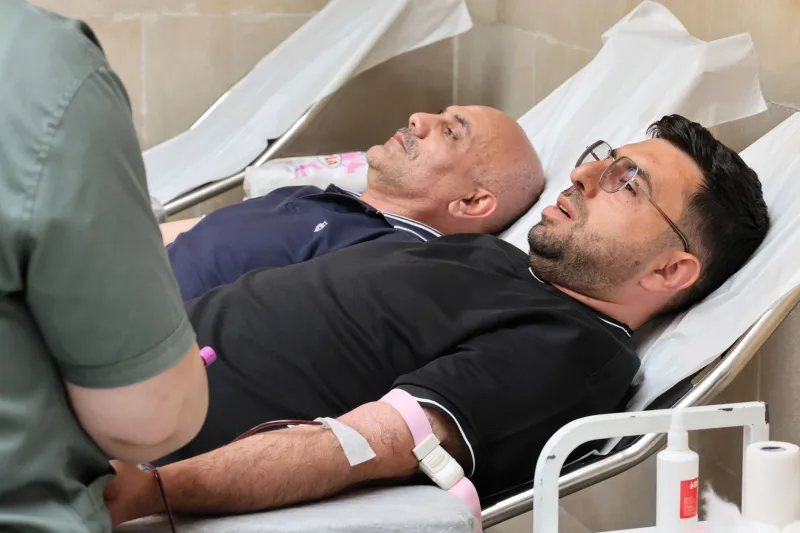
A blood drive is one of those ideas that sounds simple: pick a date, invite people, collect pints. In reality, a good drive takes a little planning — and a lot of listening. For families facing childhood cancer, blood products can be a literal lifeline during treatment. But a well-meaning drive can also become extra work for the very family it is meant to honor. The goal is not to hand a parent a clipboard. The goal is to make giving blood easier for everyone else.
Not every child with cancer needs transfusions, and a blood drive is not a cure or a guaranteed match for one patient. What it can do is strengthen the community blood supply that children’s hospitals and trauma centers rely on every day. That is worth doing well.
Start With the Blood Center, Not the Calendar
Before you book a gym or print a flyer, call your local blood center or the transfusion services department at a nearby children’s hospital. Ask whether they run mobile blood drives, what they need in a host site, and how far out they schedule. Most centers handle the medical side: donor screening, phlebotomy staff, equipment, testing, and transport.
This is also the moment to ask about directed donations. Many people assume they can donate blood specifically for one child. In the U.S., that is uncommon and not automatically better. A blood center can explain its policies and why the general community supply matters. Avoid promising a family that a drive will send pints directly to their child unless the hospital or blood center has confirmed it in writing.
Pick a Partner and a Place
Schools, churches, fire halls, community centers, and employer conference rooms are common host sites. You want an indoor space with room for donor beds, a waiting area, a screening corner, and a snack table. Parking matters. So do accessibility, restrooms, and enough electrical outlets. The blood center will usually tell you exactly what it needs.
Give yourself six to eight weeks, if possible. That leaves time for sign-ups, reminders, and a backup plan. If you are hosting at a school, loop in administration early. If you are hosting at work, check with HR and security. And if someone suggests holding the drive at the patient’s home, pause. Home drives are rarely practical and can blur privacy lines. A neutral community space is usually kinder.
Build a Team, Not a Burden
A blood drive needs a few clear roles: a main contact for the blood center, someone to recruit donors, a day-of greeter, a snack-table captain, and a cleanup crew. Keep the list short. Too many helpers can create confusion.
Most importantly, do not assume the family in treatment wants to run the event. Some parents find meaning in organizing a drive. Others are exhausted, private, or simply unavailable. Ask first, and accept a no gracefully. If the family wants to be involved, let them choose how much — a name on a flyer, a short note of thanks, or nothing public at all. Protecting their privacy is part of supporting them.
What Donors Actually Need to Know
Keep donor communication plain and practical. Ask people to bring a photo ID, eat a normal meal beforehand, drink water, and wear a shirt with sleeves that can roll up. For minors, many states allow donation at 16 or 17 with parental consent; rules vary, so check with the blood center.
Eligibility is where myths run wild. Common ones: You cannot donate if you have high blood pressure. You cannot donate if you are over a certain age. You cannot donate if you take common medications. In most cases, the answer is more nuanced. Blood centers screen every donor privately and follow detailed eligibility rules. People should not rule themselves out based on a rumor — they should call the center or show up and ask.
That said, donors should stay home if they are sick, have a fever, or were recently exposed to something contagious. Recent tattoos, piercings, travel outside the U.S., pregnancy, cancer history, and certain medications can affect eligibility. The blood center is the authority, not the flyer.
Make It Meaningful Without Making It Heavy
A blood drive can honor a child without turning that child into a spectacle. If the family agrees, a simple sign — “In honor of kids in treatment at our local children’s hospital” — can be enough. Avoid graphic medical details. Avoid asking a sibling to perform. Avoid turning the event into a fundraiser unless the blood center and family are both on board.
Small touches help: handwritten thank-you cards from volunteers, a bowl of individually wrapped snacks, a table with water and juice, and a greeter who knows where the restrooms are. If kids attend, give them a job that is age-appropriate, like decorating a thank-you poster. The tone should be warm, not heavy-handed.
A Simple Day-Of Checklist
- Confirm the blood center’s arrival time and contact person.
- Set up tables, chairs, signage, and a private screening area.
- Put water and snacks where donors can reach them after donating.
- Station a greeter at the door to check appointments and answer basic questions.
- Keep the patient family’s involvement optional and low-key.
- Thank every donor, including the ones who get deferred.
- Do a final walk-through before the blood center packs up.
After the Drive
Ask the blood center for the final number of units collected, and share it with your community. People like knowing that their appointment mattered. Send thank-you notes. If the drive went well, ask whether you can schedule another one in a few months — but do not pressure the family to commit to round two.
A blood drive will not fix everything a family facing childhood cancer is carrying. It will not erase bills, worry, or long hospital nights. But it can put something steady and useful into the local blood supply, and it can give neighbors a concrete way to show up. Done with care, that is hope you can schedule.